
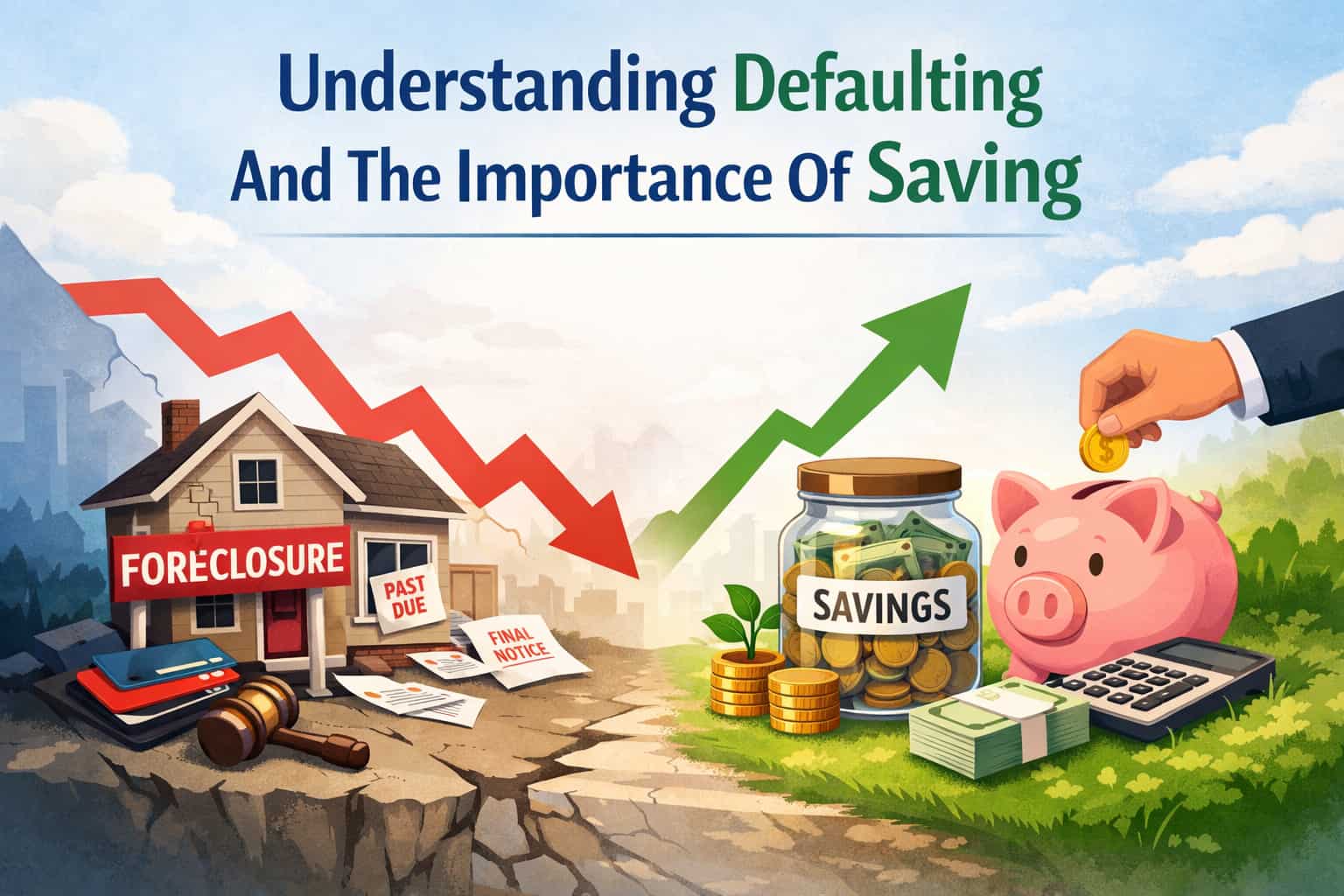
Financial stability is something everyone strives for, but achieving it requires understanding two key concepts: defaulting and saving. These might seem like separate ideas, but they are closely connected. Let’s break them down.
WHAT IS DEFAULTING?
Defaulting occurs when a borrower fails to repay a loan or meet financial obligations as agreed with a lender. This can happen with personal loans, business loans, mortgages, or even credit cards. Defaulting has serious consequences, such as:
- Damage to your credit score, making future borrowing harder or more expensive.
- Accumulation of penalties and interest, increasing the debt burden.
- Potential legal actions from lenders in severe cases.
Common reasons people default include unexpected emergencies, poor budgeting, or borrowing beyond their means.
WHY SAVING MATTERS
One of the best ways to avoid defaulting is to develop a habit of saving. Saving is the practice of setting aside a portion of your income for future use. It creates a financial cushion that can help you cover unexpected expenses without falling into debt.
BENEFITS OF SAVING
- Emergency Fund: Having 3–6 months of living expenses saved can prevent financial crises from leading to default.
- Financial Independence: Savings reduce reliance on loans and credit.
- Peace of Mind: Knowing you have funds available reduces stress and uncertainty.
- Goal Achievement: Whether it’s buying a house, starting a business, or going back to school, savings can fund important life goals.
SIMPLE SAVINGS TIPS:
- Pay Yourself First: Treat savings like a non-negotiable expense.
- Budget Wisely: Track income and expenses to find opportunities to save.
- Use Savings Accounts: Put money in accounts that earn interest or provide liquidity.
- Set Goals: Short-term and long-term goals help you stay motivated to save.
The Connection Between Defaulting and Saving
When you save regularly, you create a buffer that helps you avoid defaulting. For example:
If you lose a source of income, your emergency savings can cover loan repayments.
If unexpected medical bills arise, you won’t have to borrow and risk defaulting.
Savings allow you to manage debt responsibly, reducing stress and financial penalties.
In short, saving is a preventive strategy against the negative consequences of defaulting.
CONCLUSION
Defaulting can have lasting effects on your financial health, but developing a consistent savings habit can protect you from falling into this trap. By understanding your finances, planning ahead, and saving wisely, you can stay in control and avoid the pitfalls of debt. Remember, financial freedom isn’t just about earning more it’s about managing wisely.
References:
Investopedia. Default Definition and What It Means for Borrowers. https://www.investopedia.com/terms/d/default.asp
Consumer Financial Protection Bureau. Emergency Savings: Why They Matter. https://www.consumerfinance.gov/
Federal Reserve. Consumer Credit and Debt Management. https://www.federalreserve.gov/
Bankrate. Importance of Saving Money. https://www.bankrate.com/banking/savings/